



Blinds are far more than practical window coverings—they are essential design elements that can transform the entire aesthetic of your home while providing light control, privacy, and energy efficiency. Coordinating blinds with your home décor requires a thoughtful balance of color, material, pattern, and style to create a cohesive, harmonious look that reflects your personal taste. Whether you are aiming for a sleek modern aesthetic, a warm traditional feel, or a minimalist Scandinavian vibe, the right blinds can tie your space together beautifully. This guide explores how to choose and integrate blinds seamlessly into your interior design, covering everything from defining your style and matching materials to layering techniques and room-specific recommendations for a polished, stylish home.
Coordinating blinds with home decor enhances both aesthetics and functionality, creating a seamless design that ties your space together. Blinds are more than just window coverings—they are a crucial element of interior design that can accentuate a room’s character. This guide will cover how to choose, match, and integrate blinds into your decor for a cohesive, stylish home.
Define Your Interior Style for Seamless Blind Coordination
Start by defining your current interior style, whether modern, traditional, or minimalist. For modern spaces, sleek materials like aluminum or vinyl blinds often work best, while wood or fabric blinds complement more traditional or rustic themes. Minimalist interiors benefit from simple, neutral-colored blinds that don’t distract from clean lines. Identifying your style helps narrow down blind options, ensuring that the choice aligns with existing decor. Knowing your design theme ensures your blinds don’t clash with furniture or wall art, helping maintain a harmonious look throughout the space.
Match Colors and Materials: Achieve Balance and Harmony
Color and material are vital when coordinating blinds with home decor. To achieve a balanced look, consider matching the blinds’ color to your wall paint or key furniture pieces. For contrast, choose a complementary color that adds visual interest without overwhelming the room. Material selection, such as bamboo for a natural touch or fabric for a softer feel, also impacts the overall aesthetic. Choose materials based on the room’s functional needs; for example, moisture-resistant materials work well in bathrooms and kitchens. Color and material together can elevate the space and maintain a cohesive look.
Blend Patterns and Textures for a Cohesive Aesthetic
Blinds with patterns or unique textures can either enhance or clash with your decor. To blend patterns, choose blinds that complement existing decor items like rugs, cushions, or wall art. If your room features bold patterns, opt for simpler blinds to maintain balance. In contrast, patterned blinds work well in minimalistic rooms, adding a focal point without additional clutter. Mixing textures is another way to enhance visual interest; consider combining smooth blinds with textured curtains or vice versa. Striking the right balance between patterns and textures ensures the room feels cohesive, not chaotic.

Layer Blinds and Curtains for Depth and Versatility
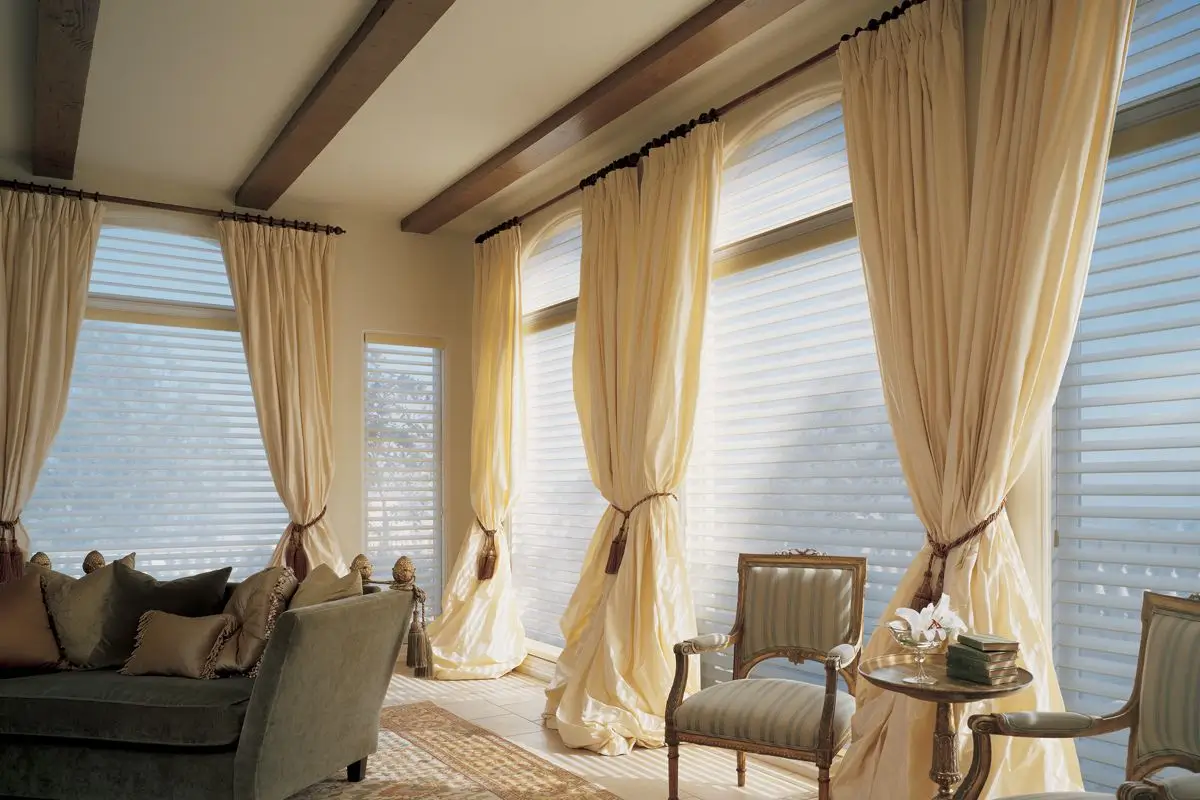
Layering blinds with curtains or drapes adds depth and sophistication. This combination allows for greater control over light and privacy, offering flexibility. For a luxurious look, layer sheer blinds beneath heavier drapes. This provides daytime light while maintaining privacy and insulation at night. The key is to pick complementary colors and styles for both blinds and additional treatments. For example, pair neutral blinds with bold drapes to create a visually appealing contrast. Layering can also improve energy efficiency by offering better insulation, making this approach not only stylish but practical as well.
Room-Specific Blind Choices for Optimal Function and Style
Different rooms have unique needs that affect blind choices. For living rooms, choose blinds that balance light control and privacy, like light-filtering shades. Bedrooms benefit from blackout blinds that ensure better sleep. In kitchens, prioritize materials that can withstand heat and moisture, such as aluminum or PVC. Home offices may need blinds that reduce glare while allowing natural light, enhancing productivity. Functional considerations should guide your choices, ensuring that each space has the right balance of style and practicality. Matching the type of blind to the specific requirements of the room maintains design harmony.
Seasonal Adjustments: Transform Your Decor Year-Round
Adapting blinds to reflect seasonal decor helps refresh your space throughout the year. Lighter colors and sheer materials work well for summer, allowing for natural light and an airy feel. In winter, switch to darker or more opaque blinds to create a cozier atmosphere. Integrate seasonal touches, such as decorative pulls or valances, for added flair. Choosing blinds that are versatile and neutral can make seasonal decor swaps more manageable. This flexibility allows for small, impactful changes that keep your home feeling updated without requiring a complete overhaul.
Enhance Space and Light with the Right Blinds
Strategically chosen blinds can make rooms appear larger or brighter. Vertical blinds are ideal for smaller spaces, drawing the eye upward and creating an illusion of height. Light-colored blinds help reflect natural light, making a room feel more open and spacious. For larger areas, consider horizontal blinds to emphasize width. Blinds with adjustable slats offer versatile light control, allowing you to fine-tune the ambiance. Using these techniques ensures your space is well-lit and visually proportionate, enhancing the overall look and feel of your home while maintaining functionality.
Upgrade Your Home with Smart Blinds
Smart blinds are a cutting-edge solution for modern homes, offering convenience, energy efficiency, and sleek design. Integrated with home automation systems, they can be programmed to open or close at set times, optimizing natural light and temperature control. Smart blinds are available in various materials and styles, allowing them to blend seamlessly into contemporary decor. This technology adds an innovative edge and enhances a home’s value. Choosing smart blinds aligns with a modern lifestyle focused on functionality, style, and energy savings, ensuring your home stays up-to-date with the latest trends.
Complement Your Decor with Coordinated Accessories
Accessories such as blind pulls, tiebacks, and rods contribute to the overall cohesive look. Opt for finishes that match other metallic elements in the room, like light fixtures or handles, to create visual continuity. Blinds with subtle decorative details or matching valances can tie in with the room’s theme. Ensure consistency by using similar styles or colors for accessories throughout the space. Even small details, like a metallic pull in a coordinated color, add a polished touch to your design, reinforcing a unified aesthetic that aligns with your decor.
Maintain Your Blinds for Long-Lasting Style
Proper maintenance helps keep blinds looking aligned with the decor and extends their lifespan. Dust blinds weekly and wash fabric blinds as recommended by the manufacturer. Avoid exposure to direct sunlight to prevent fading, using a lining for protection if needed. Regular inspections can identify wear or damage early, allowing for timely repairs. Consistent care keeps blinds vibrant and functional, complementing your decor seamlessly. By following these maintenance practices, you ensure your investment remains an asset to your home’s overall aesthetic.
Conclusion
Coordinating blinds with home decor requires thoughtful choices in color, material, and style. Each element, from layering to smart features, plays a role in achieving a cohesive and functional space. Implementing these strategies ensures your home reflects a balanced and stylish look, enhancing both comfort and visual appeal.


